In this article
- Renovating a Home in Princeton Is Different
- Princeton's Home Styles and What They Mean for Renovation
- Pre-War Colonials and Tudors (1900-1940)
- Mid-Century Ranches and Split-Levels (1950-1970)
- Contemporary and New Construction (1980-Present)
- The Princeton Historic District: What You Need to Know
- What the Historic District Means for Your Renovation
- What the Historic District Does NOT Typically Regulate
- How the HPC Review Process Works
- Working With a Contractor Who Knows the HPC
- The Princeton Permit Process
- How Princeton Permits Work
- Princeton-Specific Considerations
- Popular Renovation Projects in Princeton (2026)
- Kitchen Modernization
- Master Bathroom Upgrades
- Basement Finishing
- Whole-Home Renovation
- Energy Efficiency Upgrades
- What Makes Princeton Renovation Different From Other NJ Towns
- Higher Material and Labor Expectations
- The Princeton Premium
- Protecting Your Home's Value
- Choosing a Contractor for Princeton Renovation Work
- Ready to Renovate Your Princeton Home?
Renovating a Home in Princeton Is Different#
Princeton is not a typical New Jersey suburb. The homes are older, the architectural standards are higher, the neighborhoods have character, and the local regulations reflect a community that takes preservation and quality seriously. Renovating a home in Princeton requires a contractor who understands not just construction, but this specific market.
Whether you are updating a 1920s colonial on a tree-lined street, modernizing a mid-century ranch near the university, or doing a full renovation on a 1960s split-level in one of the surrounding neighborhoods, this guide covers everything Princeton homeowners need to know before starting a renovation project.
Princeton's Home Styles and What They Mean for Renovation#
Princeton's housing stock spans more than a century, and each era brings different opportunities and challenges:
Pre-War Colonials and Tudors (1900-1940)#
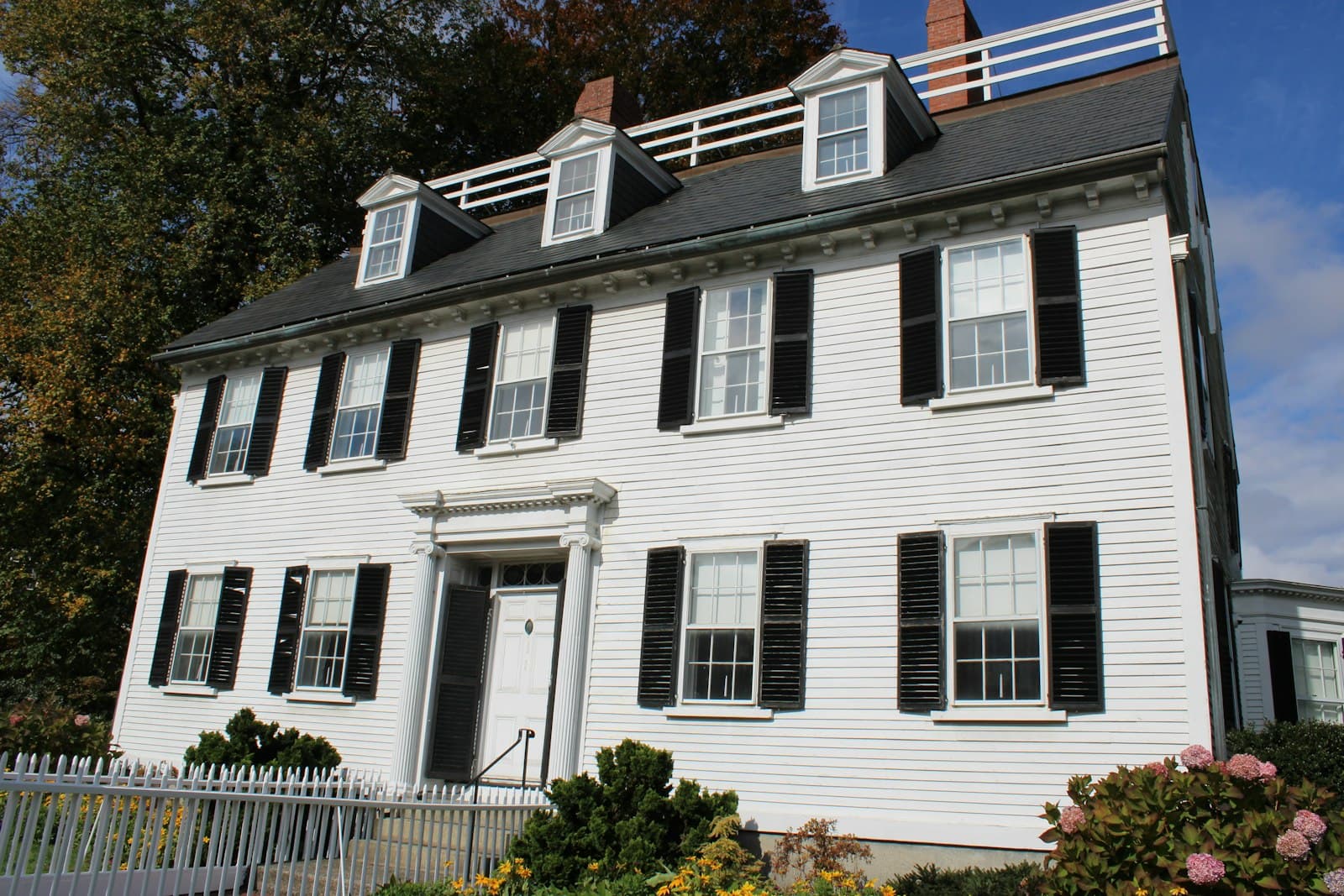
These are the quintessential Princeton homes — brick or stone exteriors, formal room layouts, hardwood floors, plaster walls, and details like crown molding, wainscoting, and built-in cabinetry.
Renovation considerations: - Plaster walls require different repair techniques than drywall — patching plaster is a specialized skill - Original hardwood floors are often salvageable and worth refinishing rather than replacing - Older electrical systems may need upgrading to handle modern loads (especially in kitchens) - Asbestos insulation, lead paint, and knob-and-tube wiring are common and require professional remediation - Room layouts tend to be compartmentalized — opening walls requires structural engineering to remove load-bearing walls safely - Original woodwork and built-ins add character and value — preserve them when possible
Mid-Century Ranches and Split-Levels (1950-1970)#
Common in Princeton's neighborhoods and surrounding areas. These homes feature open floor plans, large windows, and simpler construction.
Renovation considerations: - Lower ceiling heights in basements and split-level lower levels can limit finishing options - Original kitchens and bathrooms are typically small by modern standards — expansion may require structural changes - Sliding glass doors and large window walls may need energy-efficient replacements - Many have original aluminum wiring that should be evaluated by a licensed electrician - Flat or low-slope roof sections require specialized roofing materials and techniques
Contemporary and New Construction (1980-Present)#
Newer Princeton homes often feature higher-end finishes but may have construction-era-specific issues.
Renovation considerations: - EIFS (synthetic stucco) exterior systems from the 1990s and 2000s are prone to moisture intrusion and may need remediation - Builder-grade finishes from the 1990s and 2000s (brass fixtures, Formica countertops, oak cabinets) are prime candidates for updating - Open floor plans are already established — renovation focuses on finish upgrades, kitchen and bath modernization, and energy efficiency improvements
The Princeton Historic District: What You Need to Know#
Princeton has a designated Historic District that covers a significant portion of the borough's older residential areas, particularly around Nassau Street, the university campus, and the surrounding historic neighborhoods.
What the Historic District Means for Your Renovation#
If your home is in the Historic District, exterior changes may require approval from the Princeton Historic Preservation Commission (HPC) in addition to standard building permits. This applies to:
- Changes to exterior appearance (new siding, window replacement, door replacement)
- Additions that are visible from the street
- New construction on historically designated lots
- Demolition of any structure
- Changes to roofing material or color that are visible from public view
What the Historic District Does NOT Typically Regulate#
- Interior renovations (kitchens, bathrooms, basements)
- Mechanical upgrades (HVAC, plumbing, electrical)
- Changes not visible from public streets or sidewalks
- Repairs using the same materials and appearance as existing elements
How the HPC Review Process Works#
- 1Determine if your property is in the Historic District — check the Princeton zoning map or call the building department
- 2Consult with the HPC before finalizing plans for any exterior work — they offer informal guidance before you invest in detailed plans
- 3Submit an application with drawings and material specifications for any proposed exterior changes
- 4Attend a hearing — the HPC meets regularly and reviews applications in public session
- 5Receive approval or modifications — the HPC may approve as submitted, approve with conditions, or request changes
Timeline impact: HPC review can add 4-8 weeks to your project timeline depending on meeting schedules and the complexity of the review. Factor this into your planning from the start.
Working With a Contractor Who Knows the HPC#
A contractor experienced in Princeton knows: - Which projects trigger HPC review and which do not - What the HPC typically approves and what they push back on - How to prepare applications that move through the process efficiently - Which materials and approaches satisfy both preservation standards and modern building code
The Princeton Permit Process#
All renovation projects in Princeton that involve structural, electrical, or plumbing work require building permits. Princeton's building department operates through the Mercer County Division of Construction.
How Princeton Permits Work#
- 1Permit applications are submitted to Mercer County (not the municipal building department directly for most work types)
- 2Plan review takes 2-4 weeks for standard residential renovations
- 3Subcode inspections are required for building, electrical, plumbing, and fire protection subcodes — each is inspected separately
- 4Certificate of approval is issued after all inspections pass
Princeton-Specific Considerations#
- Setback and coverage requirements — Princeton zoning is stricter than many surrounding towns, especially regarding lot coverage, impervious surface limits, and building setbacks. Additions and even decks can trigger variance requirements.
- Tree preservation — Princeton has tree preservation ordinances. Removing certain trees, even on your own property, may require a permit. Construction near mature trees requires root zone protection.
- Stormwater management — additions or new impervious surfaces may trigger stormwater management requirements, especially on larger projects.
- Demolition permits — full or partial demolition of a structure requires a separate permit, and in the Historic District, requires HPC approval.
Popular Renovation Projects in Princeton (2026)#
Based on what Princeton homeowners are actually doing right now:
Kitchen Modernization#
Princeton's older homes often have kitchens that were designed for a different era — closed off from the living areas, limited counter space, and outdated appliances. The most popular kitchen renovation in Princeton combines opening the kitchen to adjacent rooms with modern cabinetry, quartz countertops, and updated appliances.
Typical Princeton budget: $50,000-$120,000+ (Princeton labor and material costs run higher than the NJ average due to the market)
Read our detailed kitchen remodeling guide for NJ for cost breakdowns and timeline details.
Master Bathroom Upgrades#
Princeton buyers expect modern master bathrooms. Walk-in showers with frameless glass, heated tile floors, double vanities, and quality fixtures are standard in the market. Older homes with single-vanity bathrooms and tub-shower combos are the top candidates.
Typical Princeton budget: $25,000-$60,000+
See our complete bathroom remodel cost guide and our guide to finding the best bathroom contractor in NJ.
Basement Finishing#
Princeton homes, especially older colonials and split-levels, often have full-height basements that are perfect for finishing. Popular uses include home offices (many Princeton residents work in hybrid arrangements with NYC and Philadelphia employers), media rooms, guest suites, and playrooms.
Typical Princeton budget: $40,000-$90,000+ depending on size and finish level
Read our complete basement finishing guide for NJ for NJ code requirements, waterproofing details, and cost breakdowns.
Whole-Home Renovation#
Buyers who purchase older Princeton homes often do a comprehensive renovation — updating the kitchen, master bath, flooring, lighting, and mechanical systems in a single project. This is more cost-effective and less disruptive than doing each room separately over several years.
Typical Princeton budget: $150,000-$400,000+ depending on the scope and condition of the home
Learn more about our whole-home renovation services.
Energy Efficiency Upgrades#
Princeton homeowners are increasingly investing in energy efficiency — new windows, insulation upgrades, high-efficiency HVAC systems, and even solar preparation. Older Princeton homes are often energy-inefficient, with single-pane windows, minimal insulation, and aging heating systems. The energy savings compound year after year, and NJ utility rebate programs help offset the upfront cost.
What Makes Princeton Renovation Different From Other NJ Towns#
Higher Material and Labor Expectations#
Princeton homeowners expect a higher standard of finish. Builder-grade materials that work fine in other markets may look out of place in a Princeton home. Contractors working in Princeton need to understand the market expectations:
- Semi-custom or custom cabinetry (not stock)
- Quartz, marble, or natural stone countertops (not laminate)
- Porcelain tile or hardwood flooring (not vinyl in main living areas)
- Quality fixtures from Kohler, Delta, or similar brands (not builder-grade)
- Attention to architectural details, trim, and molding that match the home's character
The Princeton Premium#
Construction costs in Princeton run 10-25% higher than the NJ average. This reflects:
- Higher labor rates — skilled tradespeople command a premium in this market
- Higher material expectations — the material selections that Princeton homes demand cost more
- More complex projects — older homes have more surprises behind the walls
- Stricter regulatory requirements — historic preservation review, tree preservation, and stormwater management add cost and timeline
- Higher expectations for cleanup and site management — Princeton neighborhoods expect construction sites to be well-managed and tidy
Protecting Your Home's Value#
In Princeton's competitive housing market, renovation decisions directly impact resale value. The wrong renovation — cheap materials, poor design choices, or work that does not match the home's architectural character — can actually reduce your home's value in this market.
Key principles: - Match renovation style to the home's architecture (do not put a modern kitchen in a Tudor without thoughtful transitions) - Preserve original character elements when possible (hardwood floors, built-ins, moldings) - Invest in quality where it shows (countertops, tile, fixtures, cabinetry) - Do not over-improve for the neighborhood — research comparable sales before committing to a high-end budget - Always use licensed, insured contractors who pull permits — unpermitted work is a deal-killer in Princeton real estate
Choosing a Contractor for Princeton Renovation Work#
Princeton homeowners should look for contractors who:
- Know the local permit process — including when HPC review is required and how to navigate it
- Have experience with older homes — plaster repair, hardwood refinishing, lead and asbestos management, structural engineering for wall removals
- Understand the market standard — materials and finishes that meet Princeton buyer expectations
- Are fully licensed and insured — NJ HIC registration, $500,000+ liability insurance, workers' compensation
- Provide detailed, itemized estimates — not lump-sum bids that obscure where your money is going
- Have local references — ask for references from Princeton projects specifically, not just "NJ" projects
For a comprehensive guide to evaluating contractors, read our guide to choosing a general contractor in NJ.
Ready to Renovate Your Princeton Home?#
Princeton homes deserve contractors who understand both the craftsmanship required and the community context. Whether you are updating a kitchen, finishing a basement, or doing a whole-home renovation, the right partner makes the difference between a project that adds value and one that creates headaches.
The5thwall is based in Lawrence — just minutes from Princeton — and we serve homeowners throughout the Princeton area including Princeton Junction, West Windsor, Hopewell, and Pennington. Our father-and-son team, Stefanos and Tony, knows Princeton's homes, neighborhoods, and building requirements.
Explore our kitchen remodeling, bathroom remodeling, basement finishing, and whole-home renovation services. Call us at (609) 954-3659 or fill out our contact form for a free, no-obligation consultation.
Written by
The5thwall
Published April 7, 2026 · 11 min read
The5thwall is a father-and-son licensed NJ contractor based in Mercer County. Beyond the Blueprint is our journal — field-tested insights from two decades of renovation work across Central New Jersey.