In this article
- Mercer County's Housing Stock Is Diverse — and Each Type Needs a Different Approach
- The Colonial: Mercer County's Most Common Home
- Where You Find Them
- What Colonials Typically Need
- Colonial-Specific Challenges
- The Cape Cod: Mercer County's Character Home
- Where You Find Them
- What Cape Cods Typically Need
- Cape Cod-Specific Challenges
- The Split-Level: Mercer County's Mid-Century Workhorse
- Where You Find Them
- What Split-Levels Typically Need
- Split-Level-Specific Challenges
- The Ranch: Mercer County's Single-Story Staple
- Where You Find Them
- What Ranches Typically Need
- Ranch-Specific Challenges
- The Victorian: Princeton's Architectural Heritage
- Where You Find Them
- What Victorians Typically Need
- Victorian-Specific Challenges
- Mid-Century Modern and 1980s-2000s Construction
- Where You Find Them
- What They Typically Need
- Cost Expectations by Home Style (Central NJ, as of 2026)
- How to Get Started
Mercer County's Housing Stock Is Diverse — and Each Type Needs a Different Approach#
Mercer County spans from the historic Victorians of downtown Princeton to the 1960s ranches of Hamilton to the newer construction of Robbinsville. Each home style was built with different methods, different materials, and different floor plan philosophies — and each one has distinct renovation needs, challenges, and opportunities.
As a contractor that has worked on homes across every Mercer County town, we see the same patterns repeat. Colonials need kitchen and bathroom modernization. Cape Cods need dormer additions for livable second floors. Split-levels need layout flow improvements. Ranches need space. This guide covers what each house type in Mercer County typically needs, what surprises to expect, and what renovations deliver the most value for each style.
The Colonial: Mercer County's Most Common Home#
Where You Find Them#
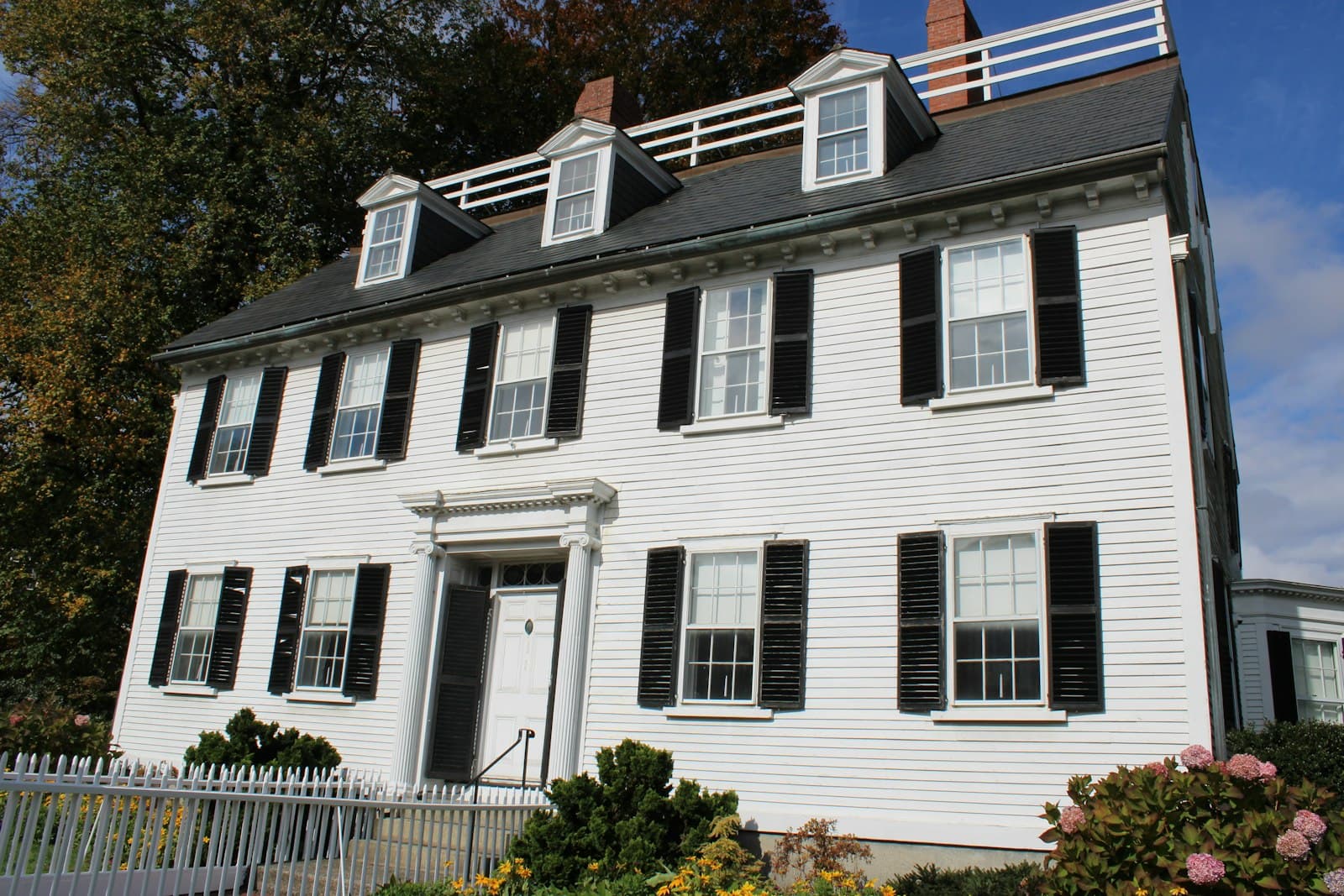
Colonials are everywhere in Mercer County — Lawrence, West Windsor, Hamilton, Ewing, and Hopewell all have neighborhoods dominated by colonials built from the 1950s through the 2000s. They range from modest 3-bedroom models to large 5-bedroom center-hall designs.
What Colonials Typically Need#
Kitchen expansion and modernization. Most colonials built before 2000 have enclosed, galley-style kitchens separated from the dining and living areas by walls. The number one renovation for Mercer County colonials is opening the kitchen to the family room — removing the wall between the kitchen and the adjacent room to create a modern open-concept layout.
Cost for kitchen wall removal + kitchen remodel: $40,000-$80,000 depending on finish level. This is the highest-ROI renovation for a Mercer County colonial.
Bathroom updates. Colonials typically have 2.5 bathrooms: a full master bath, a shared hall bath, and a powder room. The master bath in pre-2000 colonials is almost always undersized by modern standards — small tub/shower combo, single vanity, dated tile. Expanding and updating the master bath is the second most common renovation.
Cost for master bath renovation: $20,000-$45,000 depending on whether the footprint expands.
Basement finishing. Most colonials have full unfinished basements with 8-foot ceilings — the easiest basement type to finish. This adds 600-1,200 square feet of living space for a fraction of the cost of an addition.
Cost: $30,000-$70,000 depending on scope and finishes.
Colonial-Specific Challenges#
- Load-bearing walls. The wall between the kitchen and family room in most colonials is load-bearing. Removing it requires a structural beam (LVL or steel) sized by an engineer. Budget $3,000-$8,000 for the structural component.
- Stacked plumbing. Bathrooms are typically stacked vertically (upstairs bath directly above first-floor powder room). This makes bathroom plumbing changes easier but limits layout flexibility.
- Window replacement coordination. Colonials have many windows (20-30 in a typical 4-bedroom). Replacing all windows at once is cost-effective and maintains the symmetric facade that defines the colonial aesthetic.
The Cape Cod: Mercer County's Character Home#
Where You Find Them#
Cape Cods are concentrated in Hamilton (especially Mercerville and the neighborhoods around Veterans Park), Ewing, and parts of Lawrence. Most were built in the late 1940s through 1960s as affordable family homes. They are typically 1,000-1,400 square feet on the main floor with a steep roofline that creates partial second-floor space.
What Cape Cods Typically Need#
Dormer addition for second-floor bedrooms. The defining renovation for Cape Cods. The original second floor has low, sloped ceilings that make much of the space unusable. Adding dormers — typically shed dormers across the rear of the house — raises the ceiling height to create full bedrooms and a bathroom.
Cost for rear shed dormer addition: $40,000-$80,000. This effectively doubles the home's usable living space.
First-floor bathroom addition. Many Cape Cods have only one full bathroom on the second floor. Adding a first-floor half-bath or full bath improves daily livability and is essential for aging-in-place.
Cost: $15,000-$35,000 depending on location and scope.
Kitchen reconfiguration. Cape Cod kitchens are small — typically 80-120 square feet. A bump-out addition of 4-6 feet combined with removing the wall to the adjacent dining area creates a functional modern kitchen.
Cost for kitchen bump-out + remodel: $35,000-$65,000.
Cape Cod-Specific Challenges#
- Low ceiling height on the second floor. NJ building code requires 7-foot minimum ceiling height for habitable rooms. Cape Cod rooflines often produce 5-6 feet at the eaves. Dormers solve this but add significant cost.
- Plumbing access. Adding a first-floor bathroom often requires running drain lines through the floor joists, which may be limited by the existing layout. A plumber experienced with Cape Cods can find routing solutions.
- Attic insulation limits. The steep roof + low ceiling means insulation space is tight. Spray foam is usually the best option for Cape Cod attics because it provides high R-value in a thin profile.
- Knob-and-tube wiring. Hamilton and Ewing Cape Cods from the 1940s-1950s may still have original knob-and-tube wiring. Any renovation that opens walls should include rewiring — it is a safety issue and most insurers will flag it.
The Split-Level: Mercer County's Mid-Century Workhorse#
Where You Find Them#
Split-levels are common in Hamilton, Lawrence, and Ewing — particularly in neighborhoods developed in the 1960s and 1970s. They were designed to maximize living space on modest lots by stacking half-levels.
What Split-Levels Typically Need#
Entry and layout flow improvement. The biggest complaint about split-levels is the entry: you walk in and immediately face stairs going up and down. There is no foyer, no landing, and no sense of arrival. Renovating the entry to create a defined foyer space with a coat closet and visual connection to the upper level is the most impactful improvement.
Cost for entry renovation: $8,000-$20,000.
Kitchen modernization. Split-level kitchens are on the upper level, typically enclosed with a dining area. Opening the kitchen to the dining area (and sometimes to the living room a few steps up) improves flow and sight lines. The half-level changes make this renovation more complex than in a colonial — structural considerations differ at each level.
Cost for kitchen renovation: $35,000-$70,000.
Lower-level conversion. The lower level (half-underground) in most split-levels is a family room or rec room with a bathroom. This space is often underutilized and dated. Converting it to a modern family room, home office, guest suite, or in-law apartment is high-value because the space already exists.
Cost for lower-level renovation: $20,000-$50,000.
Split-Level-Specific Challenges#
- Multiple roof lines. Split-levels have complex rooflines where the different levels meet. Roof replacement and exterior work is more expensive than on a simple colonial or ranch because of the additional flashing, valleys, and transitions.
- Moisture in the lower level. The lower level is partially below grade, making it prone to the same moisture issues as basements. Waterproofing should be verified or addressed before finishing.
- Sound transfer between levels. The open stairwell that connects the split levels transmits sound throughout the house. Insulating interior walls and upgrading doors between levels helps.
- HVAC zone challenges. The multiple levels create different heating and cooling zones. A single-zone HVAC system struggles to keep all levels comfortable. Mini-split additions to problem areas are a common and effective solution.
The Ranch: Mercer County's Single-Story Staple#
Where You Find Them#
Ranches are found across Hamilton, Ewing, Lawrence, and Robbinsville. They range from modest 900-square-foot homes to expansive 2,000+ square foot models. Most Mercer County ranches were built in the 1950s through 1970s.
What Ranches Typically Need#
Room addition or second-story addition. Ranches often feel too small for modern families. The two main expansion strategies are building outward (room addition) or building upward (second-story addition). Outward is less disruptive and less expensive. Upward doubles the living space but requires structural evaluation of the existing foundation.
Cost for room addition: $60,000-$120,000. Second-story addition: $150,000-$350,000.
Open-concept layout conversion. 1960s-1970s ranches have compartmentalized layouts with defined rooms for living, dining, family, and kitchen. Removing interior walls to create an open-concept flow modernizes the floor plan and makes the home feel larger.
Cost: $15,000-$40,000 depending on how many walls are removed and whether load-bearing walls are involved.
Basement finishing. Most Mercer County ranches have full basements. With ceiling heights of 7-8 feet, these basements are excellent candidates for finishing — adding a family room, guest suite, home office, or workout space.
Cost: $30,000-$65,000 depending on scope.
Ranch-Specific Challenges#
- Foundation capacity for second stories. Not all ranch foundations were designed to support a second floor. A structural engineer must evaluate before design begins. Reinforcement adds $20,000-$60,000 to the project.
- Slab-on-grade vs. basement. Some ranches (particularly in Hamilton and Lawrence) are slab-on-grade with no basement. Plumbing modifications in these homes require cutting into the slab — more expensive and disruptive than in homes with basements.
- Shallow lot depth. Many ranch neighborhoods have lots that are wide but not deep. Room additions toward the rear may be constrained by setback requirements. Check zoning before committing to a rear addition.
- Flat or low-slope roof sections. Some ranches have flat or low-slope roof sections that require different roofing materials (TPO or EPDM) than the pitched sections. Both should be addressed during roof replacement.
The Victorian: Princeton's Architectural Heritage#
Where You Find Them#
Victorians are concentrated in Princeton Borough, parts of Pennington, and small pockets of Trenton. Most were built between 1870 and 1910. They are architecturally significant, often beautiful, and expensive to renovate correctly.
What Victorians Typically Need#
Mechanical system modernization. Victorians were built before modern HVAC, plumbing, and electrical systems. Many have been retrofitted multiple times with varying quality. A comprehensive mechanical update — modern heating and cooling, updated plumbing, rewiring — is often the first priority.
Cost for full mechanical update: $30,000-$80,000 depending on home size and existing system condition.
Kitchen and bathroom renovation within the existing footprint. Victorian floor plans are defined by many small rooms rather than a few large ones. Renovation typically involves combining two small rooms into one functional kitchen or reconfiguring closets and hallways to create a modern bathroom. The challenge is doing this without destroying the architectural character.
Cost: $40,000-$90,000 for a kitchen that respects the home's period.
Exterior restoration. Original wood siding, decorative trim, wraparound porches, and period details require skilled craftsmanship to restore. Fiber cement siding that replicates the original profiles is an option that reduces maintenance while preserving the look.
Cost: Highly variable — $20,000-$100,000+ depending on scope.
Victorian-Specific Challenges#
- Historic preservation overlay (Princeton). If your Victorian is in Princeton's historic district, exterior changes require Historic Preservation Commission approval. Interior work is generally unrestricted, but window replacement, siding changes, and additions face review. Plan for 2-4 months of additional approval time.
- Lead paint and asbestos. All Victorians predate both the 1978 lead paint ban and asbestos regulation. EPA Lead-Safe protocols are mandatory for any renovation that disturbs painted surfaces. Asbestos in pipe insulation, floor tiles, and plaster is common. Budget for testing and abatement.
- Structural unknowns. 120+ year old homes have had generations of modifications. Opening walls reveals previous work of varying quality — you may find old framing, abandoned plumbing, or wiring that predates modern code. Build contingency into the budget.
- Plaster walls. Victorians have lath-and-plaster walls, not drywall. Working with plaster requires different techniques, and patching plaster to match is a skilled trade.
Mid-Century Modern and 1980s-2000s Construction#
Where You Find Them#
Mid-century homes (1960s-1970s) are scattered across Lawrence, Ewing, and Hamilton. Newer construction (1980s-2000s) is concentrated in Robbinsville, West Windsor, and newer sections of Hamilton and Lawrence.
What They Typically Need#
1960s-1970s mid-century homes: Often need the same updates as ranches and split-levels (they often are ranches and split-levels) plus specific period concerns like aluminum wiring, original single-pane windows, and asbestos floor tiles.
1980s-1990s homes: These are reaching the 30-40 year mark where major systems need replacement: roofing, HVAC, water heaters, and windows. The builder-grade finishes (oak cabinets, laminate counters, brass fixtures, cultured marble) are aesthetically dated and represent the biggest ROI opportunity. A kitchen and bathroom refresh in a 1990s home delivers dramatic visual impact at moderate cost because the bones are good.
Cost for cosmetic refresh of a 1990s kitchen: $15,000-$30,000 (cabinet refacing or painting, new countertops, new fixtures, fresh paint).
2000s homes: Generally in good structural and mechanical condition. Renovations focus on aesthetic updates (replacing granite with quartz, updating builder-grade fixtures, adding character through millwork and custom details) and lifestyle additions (home office, finished basement, outdoor living).
Cost Expectations by Home Style (Central NJ, as of 2026)#
| Home Style | Most Common Renovation | Typical Cost Range |
|---|---|---|
| Colonial | Kitchen open-concept + remodel | $40,000 - $80,000 |
| Cape Cod | Dormer addition | $40,000 - $80,000 |
| Split-Level | Entry + kitchen + lower-level renovation | $60,000 - $120,000 |
| Ranch | Room addition or second story | $60,000 - $350,000 |
| Victorian | Mechanical update + kitchen/bath | $70,000 - $170,000 |
| 1980s-1990s | Kitchen + bathroom refresh | $35,000 - $80,000 |
How to Get Started#
The first step for any Mercer County renovation is understanding what your specific home needs — not what a generic guide says. Every colonial is different. Every Cape Cod has its own quirks. The age, condition, previous work quality, and your family's needs all shape the right renovation plan.
Explore our whole-home renovation services for comprehensive project details. For specific room costs, see our kitchen remodel cost guide, bathroom remodel cost guide, and basement finishing cost guide. For local context, read our Central NJ renovation contractor guide covering our work in each Mercer County town.
At The5thwall, we have over 20 years of combined experience renovating every style of home in Mercer County. We know the housing stock, the building departments, and the specific challenges of each era and style. Free consultations across Lawrence, Princeton, Hamilton, Ewing, West Windsor, Hopewell, Pennington, Robbinsville, and Lawrenceville. Call us at (609) 954-3659 or fill out our contact form to schedule a visit.
Written by
The5thwall
Published April 7, 2026 · 16 min read
The5thwall is a father-and-son licensed NJ contractor based in Mercer County. Beyond the Blueprint is our journal — field-tested insights from two decades of renovation work across Central New Jersey.