The brief
A restaurant lease, a hard open date, and a kitchen that didn't exist yet.
Meatheadz had signed the lease. The opening date was set. The landlord had handed over the keys to a raw shell space — concrete floors, open studs, no mechanical. The clock was already running.
The Meatheadz team came to us with a tight commercial kitchen brief: full health-code fit-out, stainless-grade surfaces, proper ventilation, and a floor system that could handle the daily punishment of a high-volume cheesesteak operation. They'd been burned before by contractors who promised and under-delivered. This time, they wanted a builder with experience in commercial kitchens specifically — not a residential contractor with a commercial license.
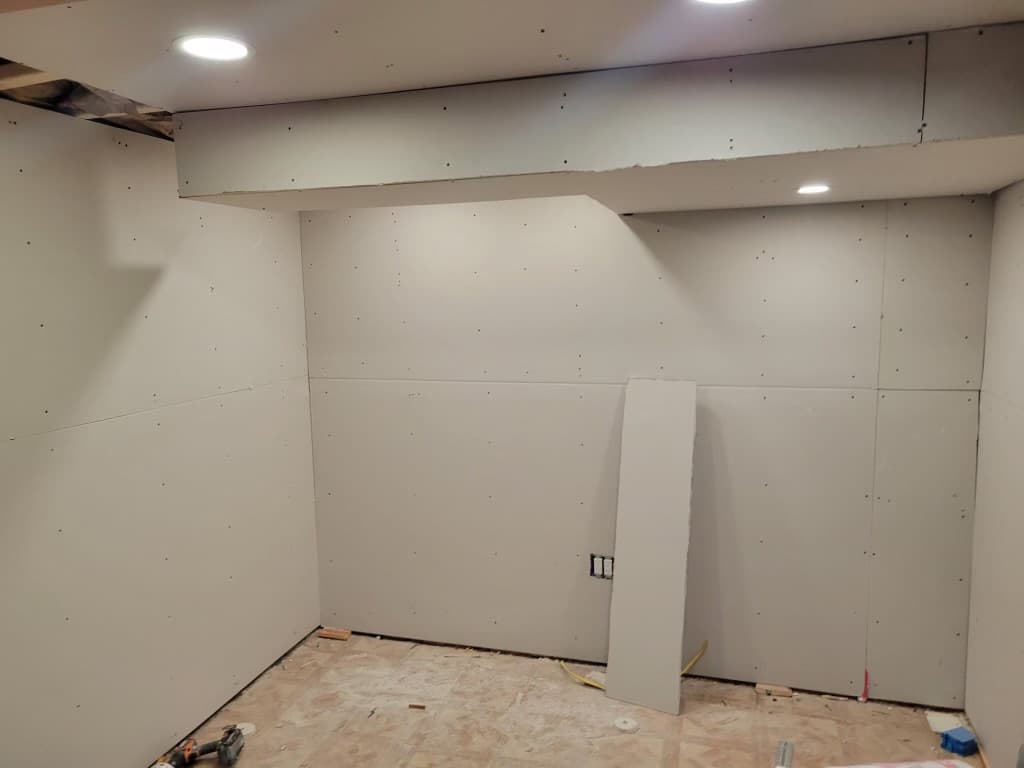
The existing space had some deferred issues from the landlord: a slab with minor grade variance, two existing drain stubs that didn't match the health department's preferred layout, and an HVAC rough-in that had to be relocated before we could close the ceiling. None of these were client errors — but all of them became our problem to solve without extending the timeline.
We mapped the entire build sequence in week one. Every trade was booked before demo started. The health department inspector came through twice during rough-in — both sign-offs happened on the first visit. The client never had to chase paperwork. We did.
The design
Every material had to earn its place. Every detail had to last.
Commercial kitchens are unforgiving environments. The first decisions we made weren't aesthetic — they were durability decisions. The floor finish, the wall treatment, the hood clearances. Everything had to meet code and survive ten years of daily service without failure.
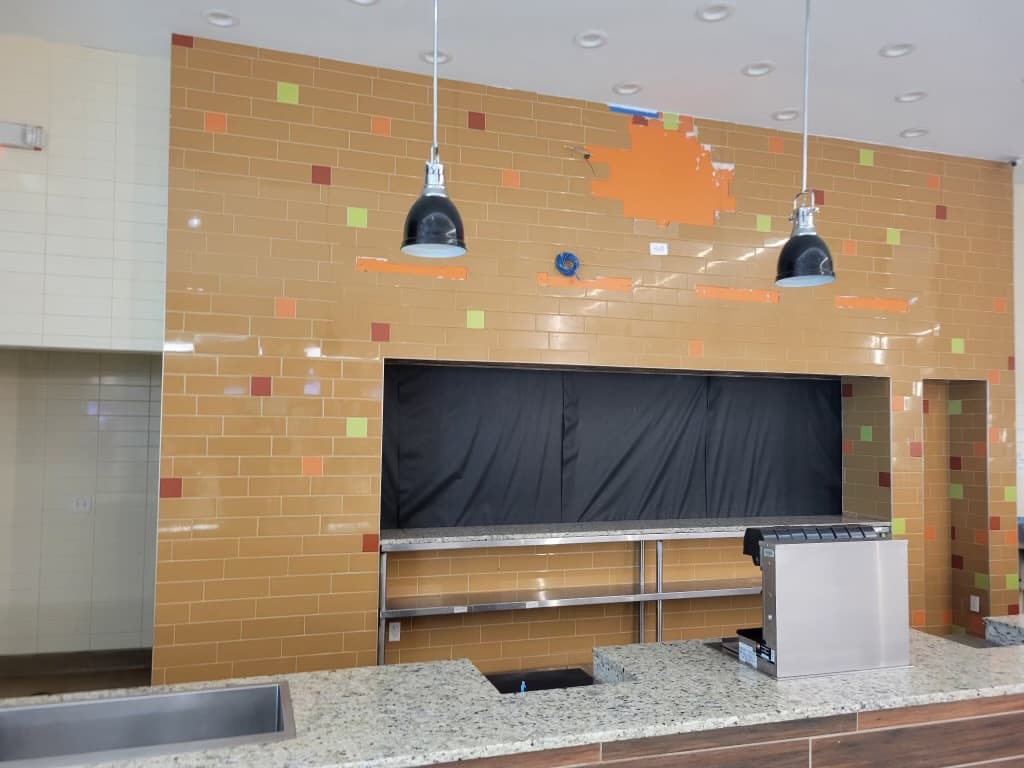
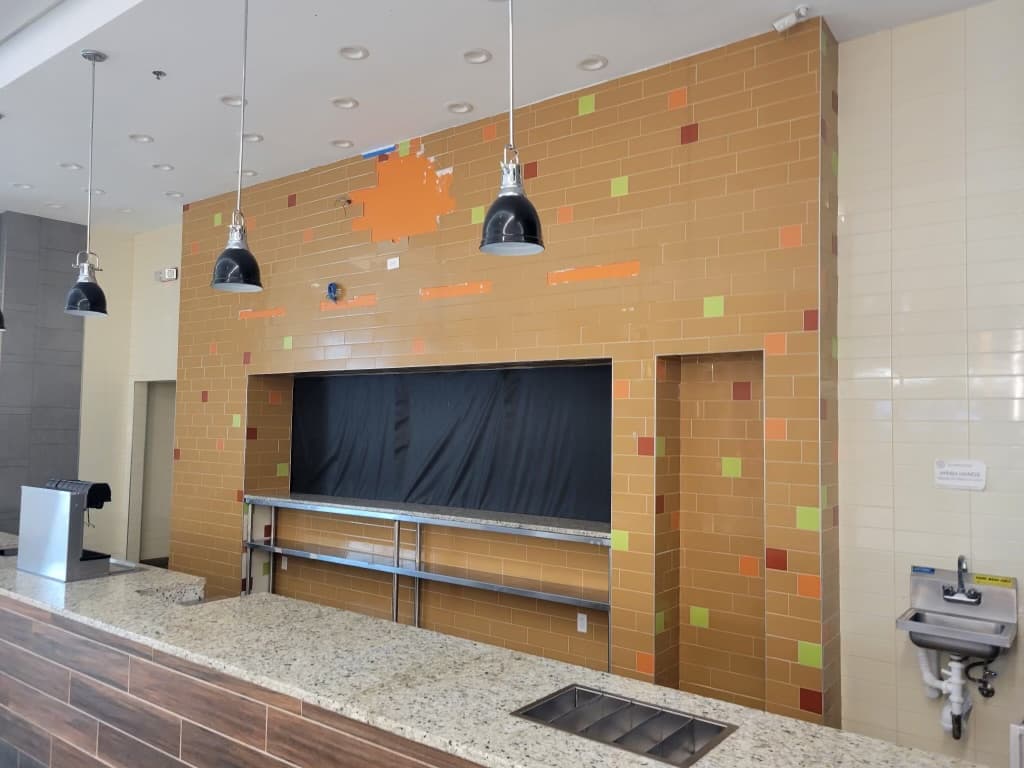
We specified 304 stainless for all primary work surfaces — welded seams, no exposed fasteners. Quarry tile with epoxy grout for the floor: the only surface combination that handles thermal shock, daily sanitizer application, and the occasional dropped full sheet pan without cracking or harbouring bacteria in the joints.
The ventilation design came early. Hood placement dictated the entire ceiling grid. We ran the HVAC ductwork first, then built the soffit system around it — so the kitchen layout and the mechanical system work together rather than fight each other.
Every material had to earn its place — we pulled three options from the first spec before the final kitchen went in.
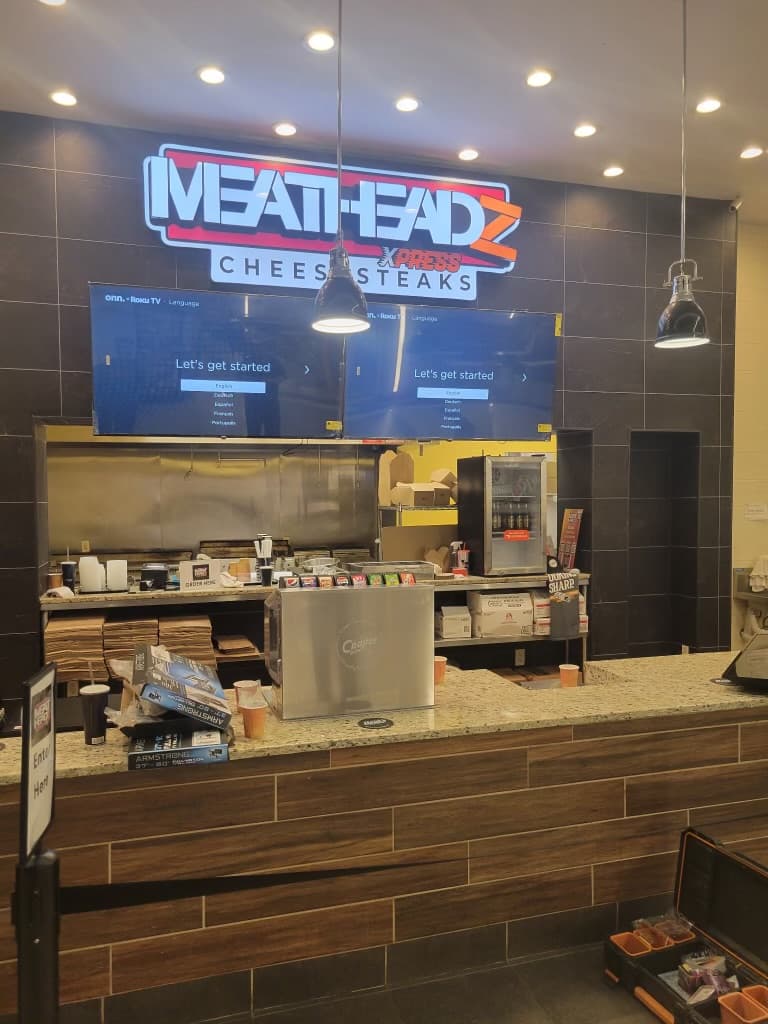
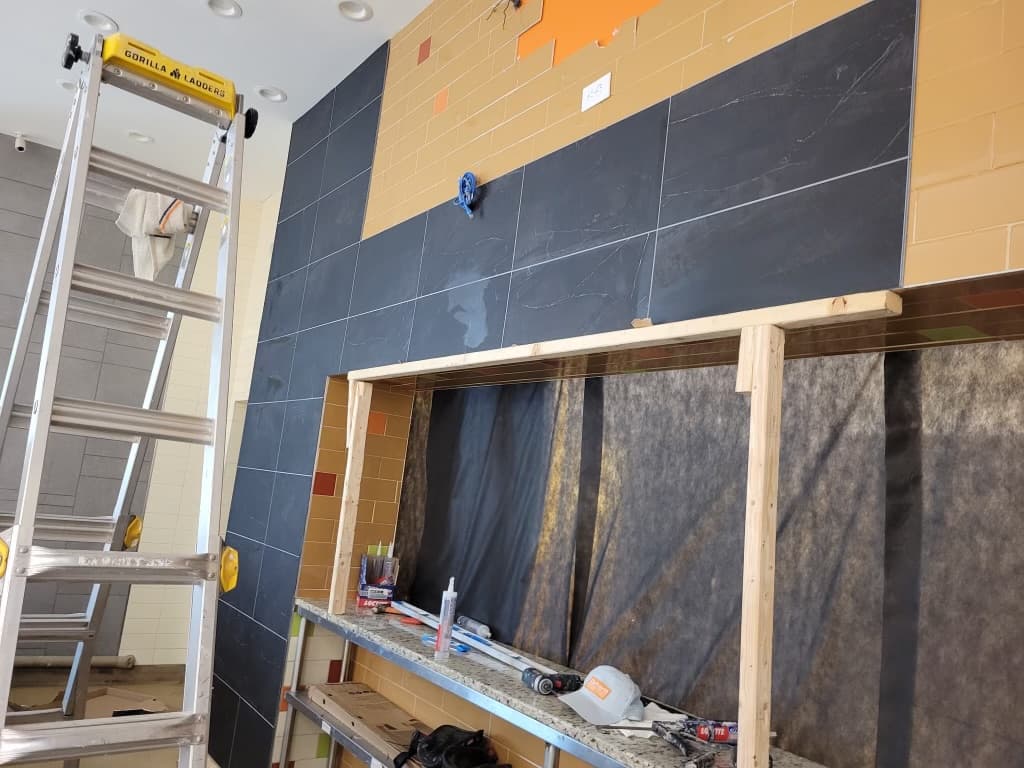
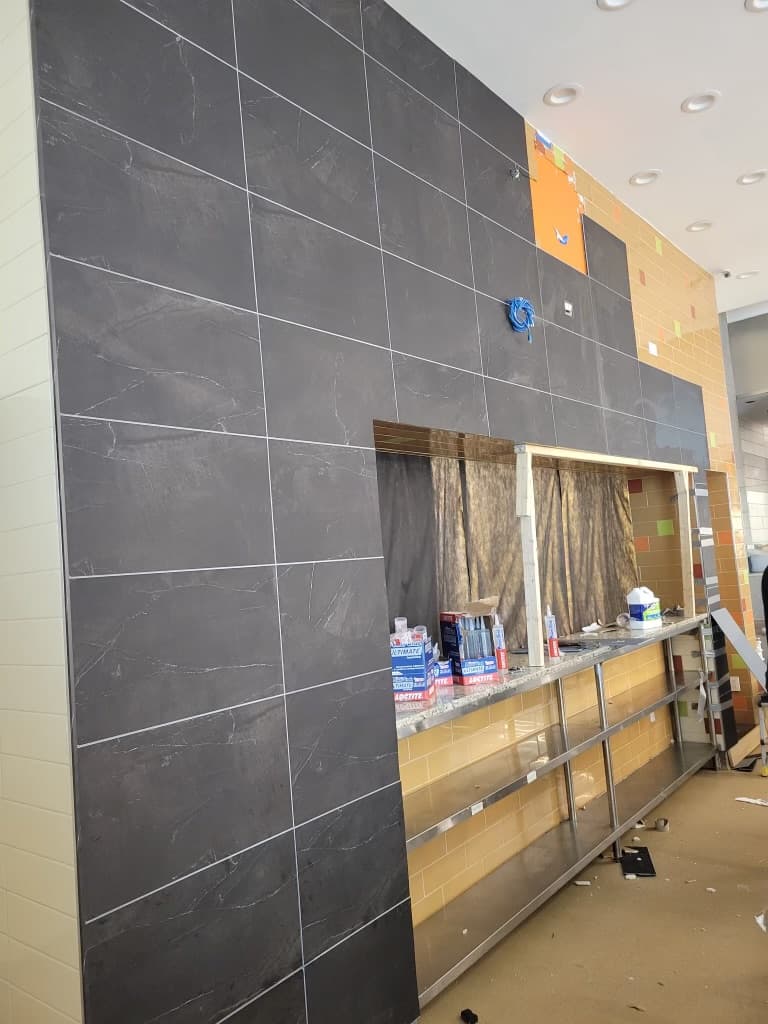
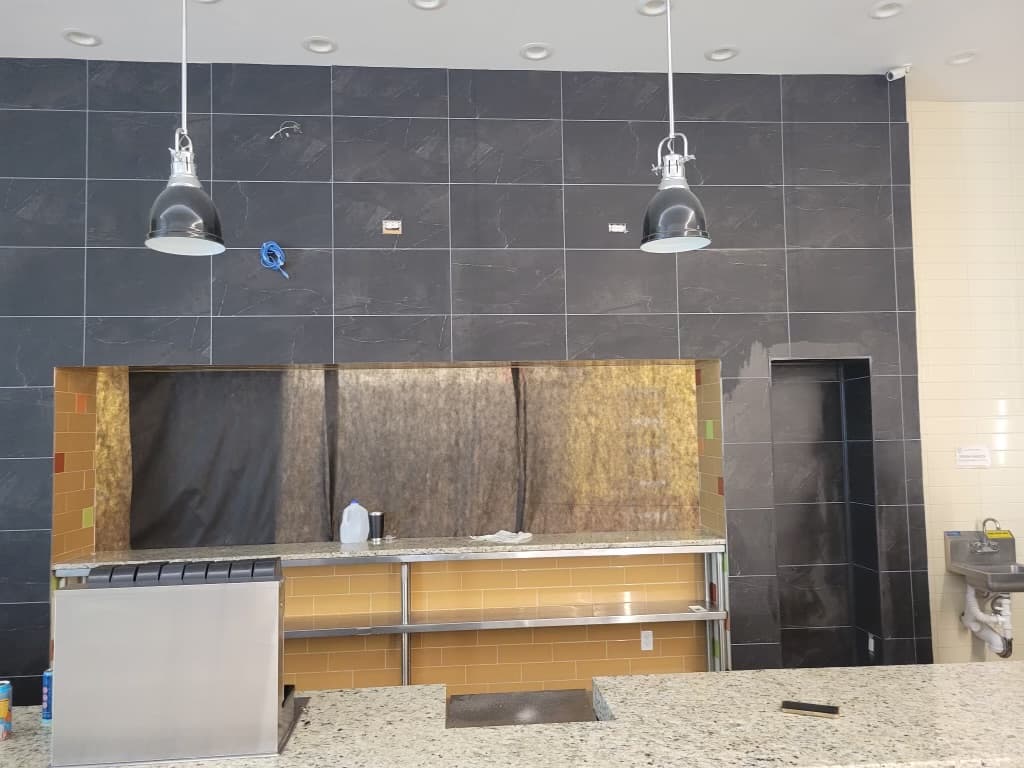
The finish work on a commercial build looks different from residential. There's no crown moulding, no decorative hardware. The craft shows in the level of the tile lines, the uniformity of the grout joints, the precision of the stainless seams. The Meatheadz kitchen is the kind of space where the build quality becomes invisible — it just works, day after day, the way a tool should.
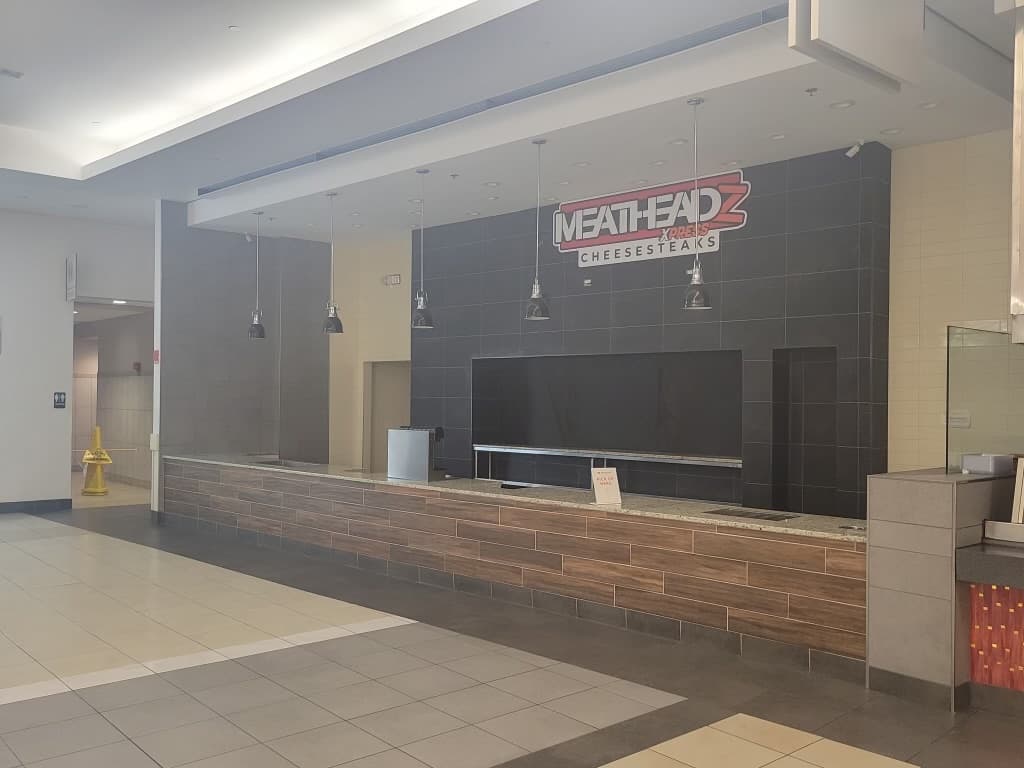
We completed the punch list two days before the scheduled health inspection. The client walked through, found two minor items (a grout joint hairline crack near the floor drain and a hood light housing that needed re-securing). Both fixed same day. The health department signed off the following morning. Meatheadz opened on schedule.
Before and after
The build
Start to finish, in the room.
Materials & finishes
Chosen for how they'd hold up in a professional kitchen, not just how they'd photograph.
Commercial kitchens punish bad material choices fast. Every finish selected here has a functional rationale and a durability floor we set before it went on the spec sheet.
- Work surfaces
- 304 stainless steel — welded seams, no exposed fasteners, 16-gauge, Stainless backsplash — continuous, coved base, no grout lines
- Flooring
- Quarry tile — 12×12, unglazed, slip-rated for commercial wet areas, Epoxy grout — chemical-resistant, food-safe, zero absorption
- Walls
- FRP paneling — fiberglass-reinforced, mold-resistant, health-code approved, Cementboard substrate — behind all wet-area panels
- Ventilation
- Commercial hood system — UL 710 listed, fire suppression integrated, Make-up air unit — balanced to hood CFM, per ASHRAE 62.1
Zero change orders. Zero delays. We opened on schedule — and they made it look easy.
The timeline
Fourteen weeks, start to handover.
Week 01
Pre-construction & permitting
Full site measure, trade coordination, permit application submitted. Health department pre-consultation completed.
Week 02
Demo & site prep
Existing slab remediated. Grade variance corrected. Drain stubs relocated to match final layout.
Week 03
Framing & rough-in
Stud walls, ceiling grid, all electrical and plumbing rough-in. HVAC ductwork run before ceiling close.
Week 04
Health dept. rough-in inspection
First health department walkthrough. All items signed off on first visit. No corrective action required.
Week 05
Mechanical finish & ceiling close
Hood system installed and balanced. Ceilings closed. FRP panel substrate set.
Week 06
Tile & wall finish
Quarry tile floor laid and grouted. FRP wall panels installed. Coved base set throughout wet areas.
Week 07
Stainless & equipment rough-in
All stainless work surfaces and shelving installed. Equipment locations confirmed with client.
Week 08
Punch list & final inspection
Punch list completed in two days. Health department final sign-off obtained. Space handed over to client.